
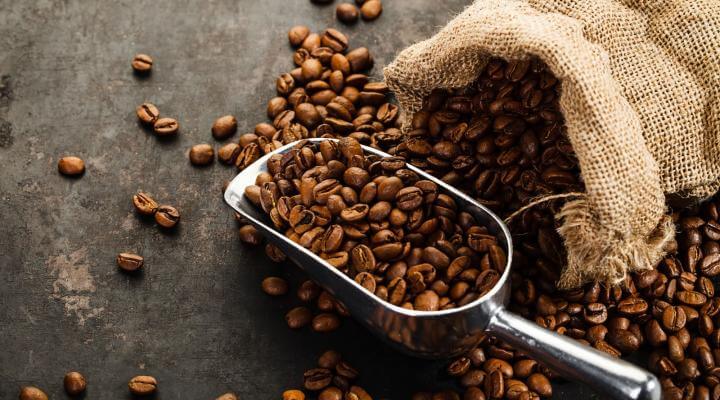
Your morning cup of coffee may soon become significantly more expensive. On 13 December 2025, global commodity analysts warned that coffee prices are surging due to worsening climate change impacts, threatening long-term supply and raising the risk of future shortages.
Extreme weather events, rising temperatures, and plant diseases are hitting major coffee-producing regions hard, prompting concerns that the world could face a structural coffee supply crisis within the next decade.
Why Coffee Prices Are Rising
Coffee markets have experienced sharp volatility in 2025, with prices climbing to multi-year highs.
Key reasons behind the surge:
1️⃣ Climate Change Disrupting Coffee Farms
Coffee is highly sensitive to climate conditions. Rising temperatures and unpredictable rainfall are affecting yields in key producing nations such as:
-
Brazil
-
Vietnam
-
Colombia
-
Ethiopia
-
Honduras
Prolonged droughts followed by intense rains have damaged crops and reduced bean quality.
2️⃣ Extreme Weather Events Increasing
In 2025 alone, coffee-growing regions experienced:
-
Severe droughts
-
Unexpected frosts
-
Flooding and soil erosion
-
Heatwaves during flowering seasons
Such events disrupt harvest cycles and sharply cut production volumes.
3️⃣ Spread of Coffee Plant Diseases
Warmer and more humid conditions have accelerated the spread of:
-
Coffee leaf rust
-
Fungal infections
-
Pest infestations
These diseases can wipe out entire plantations and take years to control.
4️⃣ Rising Production Costs
Farmers are facing higher costs due to:
-
Fertiliser price increases
-
Labour shortages
-
Higher energy and transport expenses
Many small farmers are struggling to remain profitable, leading some to abandon coffee cultivation altogether.
☕ Arabica vs Robusta: Both Under Pressure
Both major coffee varieties are affected:
🌱 Arabica
-
More sensitive to temperature changes
-
Grown at higher altitudes
-
Facing declining suitable land availability
🌱 Robusta
-
Slightly more resilient
-
Widely used in instant coffee
-
Now also suffering from heat stress and drought
With both varieties under strain, global supply flexibility is shrinking.
Impact on Global Coffee Prices
Commodity analysts report:
-
Wholesale coffee prices rising sharply
-
Futures markets pricing in long-term supply risk
-
Increased volatility in global coffee trade
Consumers may soon feel the impact through:
-
Higher café prices
-
Increased supermarket costs
-
Smaller serving sizes
-
Premium pricing on specialty coffee
Farmers at the Center of the Crisis
Smallholder farmers produce nearly 70% of the world’s coffee.
Climate pressures are pushing many into financial distress.
Challenges include:
-
Limited access to climate-resilient seeds
-
Lack of insurance coverage
-
Insufficient government support
-
Rising debt
Experts warn that without intervention, farmer exits could accelerate the supply crisis.
Coffee Industry Responds
Major coffee companies are responding by:
-
Investing in climate-resilient coffee varieties
-
Supporting sustainable farming practices
-
Funding reforestation and water-management projects
-
Diversifying sourcing regions
However, industry leaders admit adaptation efforts may not be enough without global climate action.
Could the World Run Out of Coffee?
While a complete shortage is unlikely, experts warn of:
-
Reduced availability of high-quality coffee
-
Increased reliance on lower-grade beans
-
Rising inequality in access to premium coffee
Some forecasts suggest up to 50% of current coffee-growing land could become unsuitable by 2050 if climate trends continue.
What Experts Are Saying
“Coffee is one of the clearest examples of how climate change directly impacts everyday consumer products,” said a global commodities analyst.
“Without urgent climate adaptation, coffee could become a luxury rather than a daily habit,” noted an agricultural economist.
What Happens Next?
Possible future scenarios:
-
Continued price volatility
-
Greater investment in climate-resilient agriculture
-
Higher consumer prices becoming permanent
-
Increased pressure on governments to support farmers
Sustainable farming, fair pricing, and climate mitigation will be critical to securing coffee’s future.
Conclusion
The surge in global coffee prices is more than a short-term market fluctuation — it is a warning sign of deeper structural problems driven by climate change. With extreme weather threatening crops, farmers under pressure, and demand continuing to rise, the world’s coffee supply faces an uncertain future.
Unless meaningful climate and agricultural reforms are implemented, consumers may soon pay a much higher price for one of the world’s most beloved beverages.
FAQs
Q1: Why are coffee prices rising in 2025?
Due to climate change, extreme weather, crop diseases, and rising production costs.
Q2: Which countries are most affected?
Brazil, Vietnam, Colombia, Ethiopia, and Central American producers.
Q3: Will coffee become scarce?
Shortages of premium coffee are possible, though total supply collapse is unlikely.
Q4: What can be done to protect coffee supply?
Climate-resilient farming, farmer support programs, and global climate action.