New Delhi | February 14, 2026: In one of the largest defence procurement decisions in recent years, the Indian government has approved proposals worth approximately Rs 3.6 lakh crore, including additional Rafale fighter jets and advanced missile systems. The move marks a major Rafale acquisition milestone and signals a decisive air force upgrade aimed at strengthening India’s regional security posture amid evolving geopolitical tensions.
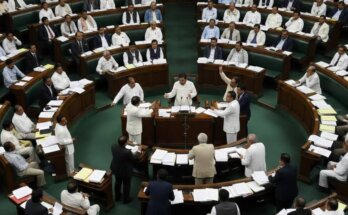
The clearance was granted by the Defence Acquisition Council (DAC), chaired by Defence Minister Rajnath Singh, reinforcing India’s commitment to modernizing its armed forces under long-term capability development plans.
Key Highlights
- Government approves defence proposals worth Rs 3.6 lakh crore.
- Major Rafale acquisition to enhance Indian Air Force combat strength.
- Deal includes advanced missile systems and strategic platforms.
- Focus on manufacturing and domestic defence ecosystem under Make in India.
- Strengthens regional security dynamics in Indo-Pacific region.
What Happened: Details of the Multi-Billion Deal
The Defence Acquisition Council approved procurement proposals covering fighter aircraft, missile systems, naval assets, and air defence platforms. While detailed numbers are subject to final contract negotiations, officials confirmed that the Rafale acquisition forms a central component of the package.
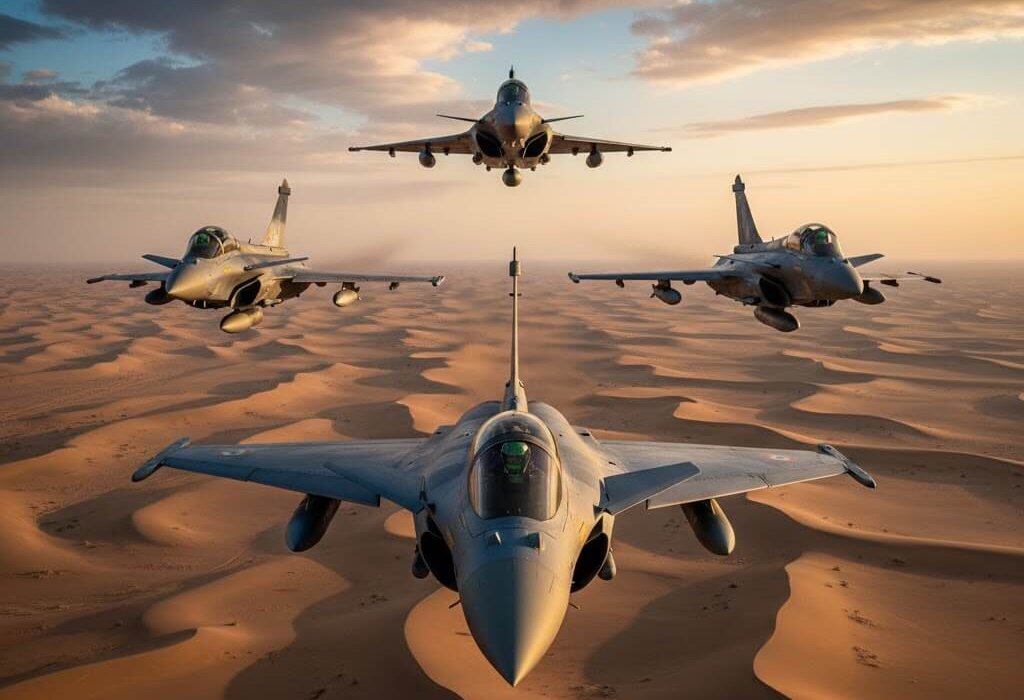
The Indian Air Force currently operates 36 Rafale jets inducted under a previous inter-governmental agreement with France. The new proposal is expected to significantly expand fleet strength, enhancing operational readiness across western and northern fronts.
The broader Rs 3.6 lakh crore package also includes indigenous manufacturing components, aligning with the government’s push for defence self-reliance.
Air Force Upgrade: Why Rafale Matters
Operational Capabilities
The Rafale fighter jet is equipped with advanced avionics, Meteor beyond-visual-range missiles, precision strike capabilities, and electronic warfare systems. It is considered one of the most versatile multi-role combat aircraft currently operational.
Force Structure Requirements
The Indian Air Force has faced squadron shortages for years, operating below the sanctioned strength of 42 squadrons. Additional aircraft under this Rafale acquisition could partially address that gap.
Strategic Superiority in the Region
India’s regional security environment includes active border tensions and expanding military capabilities in neighboring countries. Enhanced air power improves deterrence posture and response flexibility.
Why It Matters for India and the United States
Although Rafale jets are manufactured by France’s Dassault Aviation, the broader air force upgrade has implications for India-US defence ties. The United States remains a key defence technology partner, particularly in areas such as surveillance systems, jet engines, and interoperability frameworks.
For Washington, India’s military modernization supports Indo-Pacific stability objectives. For New Delhi, diversified defence partnerships reduce strategic dependence while strengthening capabilities.
Expert Insight: Economic and Strategic Impact
Defence analysts describe the Rs 3.6 lakh crore decision as both strategic and industrial.
- Large-scale procurement boosts domestic manufacturing under offset obligations.
- Advanced systems integration enhances long-term technological capabilities.
- Capital expenditure of this magnitude signals fiscal commitment to modernization.
Industry experts suggest the deal may create thousands of jobs across aerospace supply chains, including MSMEs linked to component manufacturing.
What Most News Sites Are Missing
Most reports focus on headline figures and aircraft numbers. What is less discussed is lifecycle cost management. Modern fighter aircraft require decades of maintenance, upgrades, and system integration.
The true strategic advantage of this Rafale acquisition will depend on maintenance infrastructure, indigenous component manufacturing, and software integration capabilities within India. Defence modernization is not just about procurement—it is about sustainment capacity.
Regional Security Implications
The Indo-Pacific security landscape is undergoing rapid transformation. China’s expanding air power, Pakistan’s modernization efforts, and emerging unmanned combat systems have altered deterrence equations.
An expanded Rafale fleet strengthens India’s air dominance and multi-front readiness, reinforcing strategic superiority in contested airspaces.
What Happens Next?
- Formal contract negotiations with manufacturers.
- Cabinet Committee on Security final approval (if required).
- Timeline announcement for induction schedule.
- Offset and manufacturing framework finalization.
Defence procurement cycles typically span several years, meaning implementation will likely unfold in phases.
Frequently Asked Questions (FAQs)
What is the value of the Rafale acquisition approved?
The overall defence proposals cleared are worth approximately Rs 3.6 lakh crore, with Rafale jets forming a key component.
How many Rafale jets does India currently operate?
India currently operates 36 Rafale fighter jets inducted under the previous agreement.
Why is this air force upgrade important?
It addresses squadron shortages and strengthens regional security amid evolving geopolitical tensions.
Will the deal involve domestic manufacturing?
Yes. Offset clauses and Make in India provisions are expected to support local manufacturing participation.
When will the new aircraft be inducted?
Final induction timelines will be announced after contract negotiations are completed.