
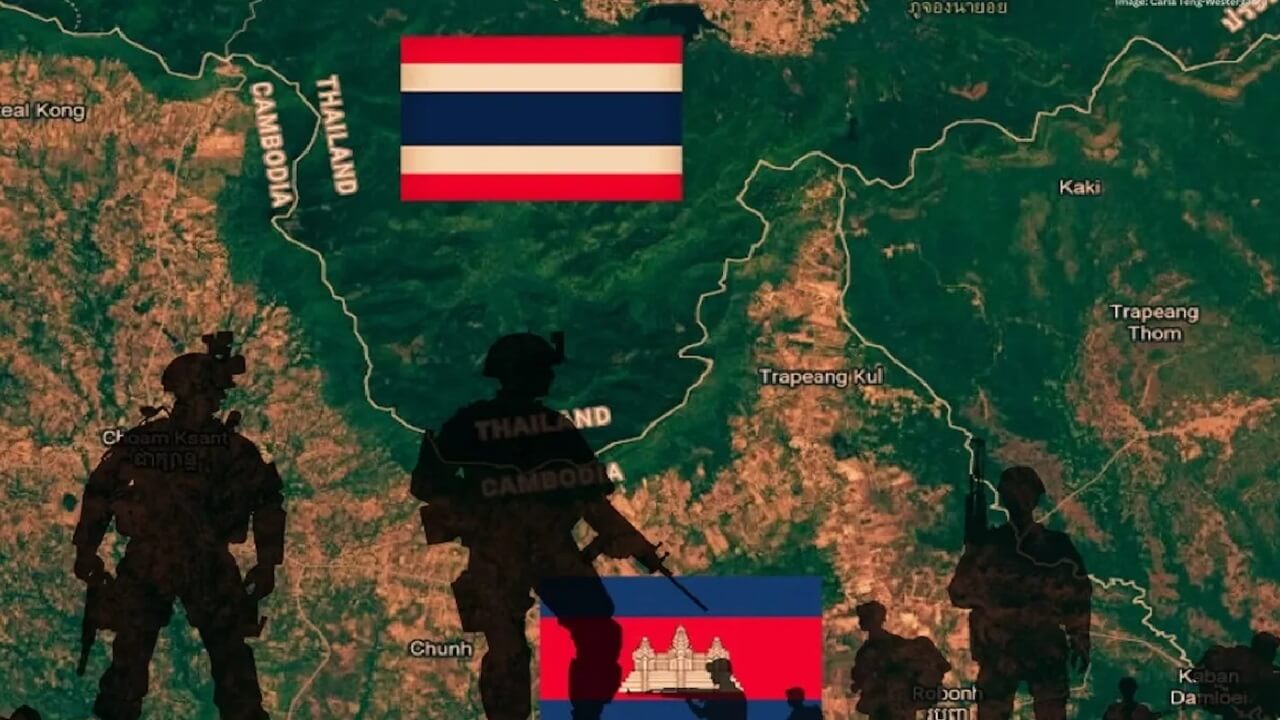
The long-running Thailand–Cambodia border dispute escalated further on 13 December 2025, after Thailand’s government publicly rejected ceasefire claims and vowed to continue military operations along the contested frontier.
The development comes amid rising casualties, growing civilian displacement, and mounting diplomatic pressure from regional and international actors, raising concerns that the conflict could spiral into a broader regional crisis.
Thailand Rejects Ceasefire Claims
Thailand’s leadership firmly denied reports suggesting that a ceasefire had been agreed upon, stating that:
-
Military operations would continue until national security is ensured
-
Any pause in fighting would only occur through formal diplomatic channels
-
Thailand would not “yield territorial integrity under pressure”
Officials emphasized that no official ceasefire agreement exists and warned against “misinformation” surrounding the conflict.
Where the Fighting Is Happening
The clashes are concentrated around disputed border regions near:
-
The Preah Vihear temple area
-
Forested zones along northeastern Thailand
-
Northern Cambodian provinces adjacent to Thai territory
Both sides have deployed additional troops and equipment, increasing fears of a prolonged confrontation.
How the Latest Escalation Began
According to Thai authorities:
-
Cambodian forces allegedly crossed into disputed territory
-
Thai troops responded to “defensive threats”
Cambodian officials countered:
-
Thailand initiated artillery fire
-
Cambodian forces acted to protect civilians and sovereignty
Independent verification remains difficult due to restricted access to conflict zones.
Civilians Caught in the Crossfire
The escalating violence has had a severe humanitarian impact.
Key developments:
-
Thousands of civilians evacuated from border villages
-
Temporary shelters set up on both sides
-
Schools and markets closed in affected regions
-
Medical facilities placed on emergency alert
Aid agencies warn that prolonged fighting could worsen shortages of food, water, and medical supplies.
Military Activity Intensifies
Reports from the region indicate:
-
Exchange of artillery and mortar fire
-
Use of heavy machine guns
-
Increased troop mobilization
-
Surveillance drone activity
Both armies are on high alert, with commanders preparing for extended operations if diplomacy fails.
Regional and Global Reactions
ASEAN Response
The Association of Southeast Asian Nations (ASEAN) urged:
-
Immediate restraint
-
Dialogue through established diplomatic mechanisms
-
Protection of civilians under international law
International Concern
Several global powers expressed concern over:
-
Regional stability
-
Disruption to trade routes
-
Risk of spillover into neighboring countries
The United Nations has called for calm and offered to support mediation efforts.
Why This Border Dispute Is So Sensitive
The Thailand–Cambodia border has remained contentious for decades due to:
-
Historical boundary ambiguities
-
Nationalist sentiment in both countries
-
Cultural and historical significance of disputed sites
-
Domestic political pressures
The Preah Vihear area, in particular, has sparked multiple clashes over the years.
Economic Impact of the Conflict
The conflict threatens to disrupt:
-
Cross-border trade
-
Tourism in both countries
-
Agricultural exports
-
Regional supply chains
Several border checkpoints have been closed, affecting local businesses and transport routes.
What Analysts Are Saying
Security analysts warn that rhetoric from both sides has hardened.
“When leaders publicly reject ceasefire claims, it narrows diplomatic space,” said a Southeast Asia security expert.
“Without external mediation, this conflict risks becoming prolonged and unpredictable,” another analyst noted.
What Happens Next?
Possible scenarios:
-
Diplomatic breakthrough: Talks resume under ASEAN mediation
-
Limited escalation: Sporadic clashes continue without full-scale war
-
Wider conflict: Expanded military engagement if negotiations fail
The next few days are seen as critical.
Conclusion
Thailand’s vow to continue fighting Cambodia despite ceasefire claims marks a dangerous turning point in the border conflict. With troops mobilized, civilians displaced, and diplomacy strained, the situation poses serious risks to regional stability in Southeast Asia.
Whether dialogue prevails or hostilities deepen will depend on political will — and the speed of diplomatic intervention.
FAQs
Q1: Is there a ceasefire between Thailand and Cambodia?
No. Thailand has denied any ceasefire agreement.
Q2: Where is the fighting taking place?
Primarily near the disputed border areas, including the Preah Vihear region.
Q3: Are civilians affected?
Yes. Thousands have been displaced, and humanitarian concerns are rising.
Q4: Is ASEAN involved?
ASEAN has urged restraint and offered mediation support.