
India witnessed two major developments today in the business and regulatory landscape — and both will have significant nationwide impact.
First, several global liquor manufacturers have taken the Maharashtra government to court, challenging a recent tax hike they claim is unfair and harmful to business operations.
Second, e-commerce giants Amazon and Flipkart are officially entering India’s consumer loan market, posing a direct challenge to banks and NBFCs while marking a major shift in India’s retail credit ecosystem.
Together, these two developments highlight the rapid changes sweeping across India’s regulatory and financial sectors.
Part 1: Global Liquor Companies Sue Maharashtra Over New Tax Policy
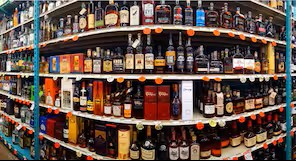
A group of foreign alcohol producers — including major global spirit and whiskey brands — have filed a legal challenge against the Maharashtra state government for its new steep tax increase on imported liquors.
What triggered the lawsuit?
Maharashtra recently implemented a sharp hike in excise duty on imported foreign liquor, pushing prices up significantly. The companies argue:
-
The tax violates principles of free and fair trade
-
The hike is discriminatory against imported brands
-
It will lead to market distortions
-
It creates an unfavorable business environment
-
It disproportionately benefits local liquor manufacturers
This move could have nationwide implications, as Maharashtra is India’s largest liquor market by value, especially for premium alcohol.
Impact on consumers and businesses
-
Imported liquor prices could rise by 10–25%
-
Bars, hotels, and restaurants may increase menu prices
-
Retail demand for premium spirits may decline
-
Imported brands may reduce distribution and marketing spends
Hospitality industry representatives warn that this tax hike will hurt Maharashtra’s status as a major tourism and nightlife destination.
State government’s position
While the government has not formally responded to the lawsuit, they defend the tax as a measure to:
-
Increase state revenues
-
Support domestic manufacturers
-
Curb excessive imported alcohol consumption
A legal battle is expected in the coming weeks.
Part 2: Amazon & Flipkart Disrupt India’s Consumer Loan Market
In a major challenge to traditional financial institutions, Amazon and Flipkart have officially rolled out consumer loan offerings to millions of users across India.
This marks a transformation in India’s retail credit landscape, as e-commerce platforms leverage their massive customer base and data analytics to offer quick, small-ticket loans.
What kind of loans are being offered?
Both companies are offering:
-
Instant checkout credit
-
Small-ticket consumer loans
-
EMI financing
-
Buy Now Pay Later (BNPL) options
-
App-based personal loans
Why are they entering the lending space?
-
Huge demand for small personal loans
-
Massive customer database
-
High success of BNPL products
-
Desire to reduce dependence on banks for financing
-
Ability to offer credit during shopping journeys
This move puts pressure on India’s retail banks and NBFCs, many of whom rely heavily on consumer loans for growth.
Banking sector reaction
Traditional lenders see both opportunity and threat:
-
Opportunity: Partnering with Amazon/Flipkart for co-lending
-
Threat: Losing younger customers who prefer app-based loans
Financial analysts note that this shift could force banks to accelerate digital transformation and modernize their risk models.
Impact on Indian consumers
-
Faster approvals
-
More flexible EMI options
-
Integration with shopping experience
-
Potential risks of rising personal debt
Experts warn that India’s loan defaults are already rising sharply in the small-ticket category — making responsible borrowing critical.
Combined Impact: What These Two Developments Mean for India
1. Regulatory Complexity Rising
Both cases show that India’s business environment is becoming increasingly regulatory-heavy for:
-
Consumer goods companies
-
Retail giants
-
Banks and NBFCs
2. New Competition in Retail & Finance
Amazon and Flipkart entering lending may reshape:
-
How Indians shop
-
How Indians borrow
-
How banks acquire customers
3. Legal & Policy Uncertainty
The liquor-tax lawsuit could set important legal precedents regarding:
-
State taxation powers
-
Discrimination in trade policies
-
Foreign company rights
4. Big Tech’s Growing Influence
Tech giants are now not just retailers but lenders — creating new economic ecosystems.
Conclusion
The financial and regulatory developments on 28 November 2025 reflect a rapidly evolving landscape in India.
-
Global liquor makers taking legal action shows rising corporate dissatisfaction with unpredictable state tax policies.
-
Amazon and Flipkart’s entry into consumer lending challenges traditional banks and signals a new era of digital credit access.
Over the coming months, both issues will shape business strategy, consumer behavior, and regulatory frameworks in India.
FAQs
Q1: Why are liquor companies suing Maharashtra?
Because of steep new excise taxes they say are discriminatory and harmful to business.
Q2: Will liquor prices increase in Maharashtra?
Yes, imported liquor prices may rise by 10–25%.
Q3: What loans are Amazon and Flipkart offering?
Instant credit, small-ticket personal loans, BNPL, and EMIs.
Q4: Will this affect banks?
Yes — banks now face stronger competition in the consumer-loan segment.